
Home > Services > Chimney Leak Repair > Chimney Flashing
Protect your home from costly water leaks and structural damage with professional chimney flashing services from Alpine Chimney Sweeps. Our expert technicians specialize in installing, repairing, and replacing flashing in Yonkers, White Plains, New Rochelle, Yorktown, Mt. Sinai, and more, creating a watertight seal where your chimney meets the roof. Whether you're dealing with cracked areas, rusted metal, or improper installation, we're here to help.
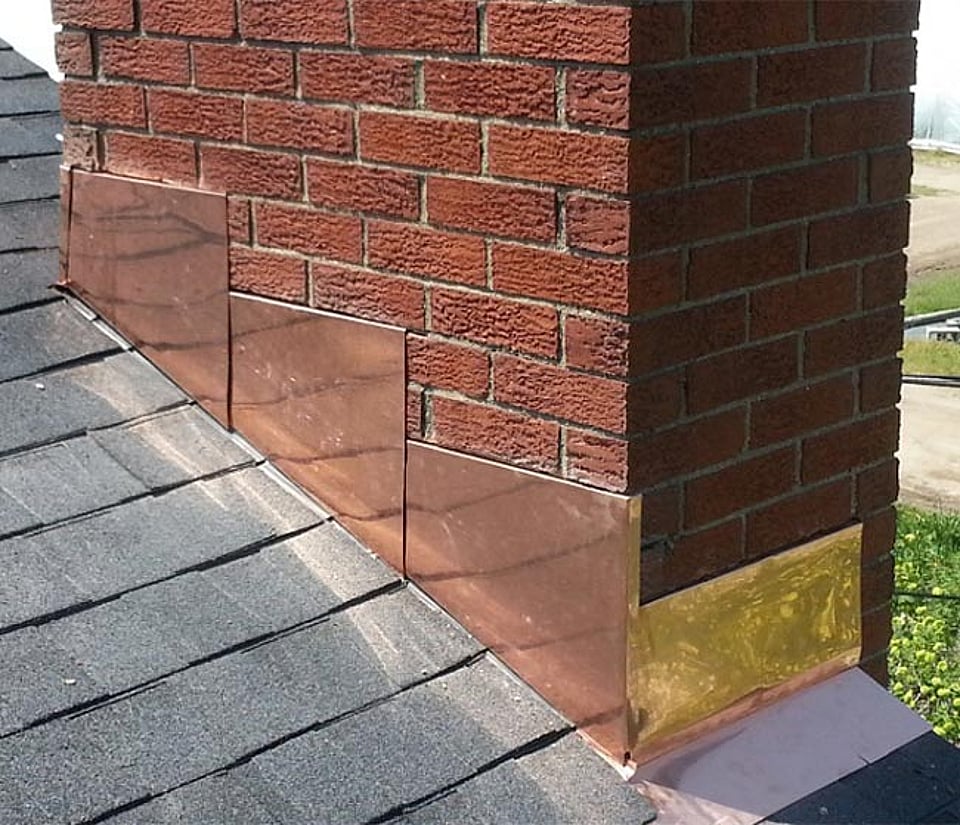
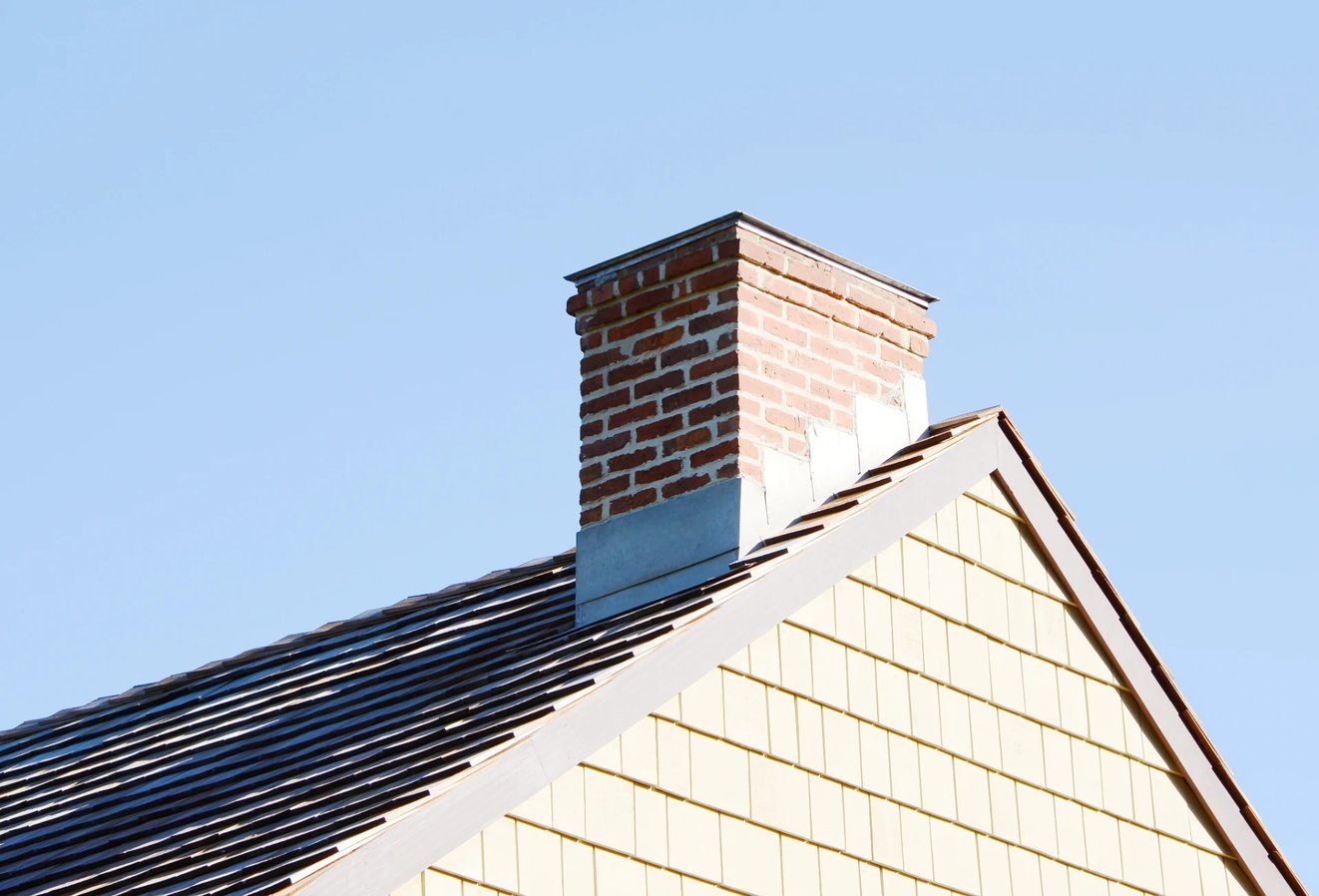
Chimney flashing is the protective metal barrier installed at the point where your chimney meets your roof, and its job is simple but vital: keep water out. Without properly installed and maintained flashing, rainwater and snowmelt can seep directly into the joint between your chimney and roof. Over time, that moisture causes serious damage - not just to your chimney, but to your attic, ceilings, walls, and structural framing.
Chimney flashing typically consists of:
Damaged or failing flashing rarely fails all at once - it usually gives you warning signs first. Catching these early can save you from costly water damage to your chimney, attic, and ceilings. Here are the most common signs your flashing needs repair or replacement:
Water Stains on Ceilings or Walls
Discoloration near the chimney is a classic flashing leak sign.
Rust or Corrosion on the Metal
Rusted/pitted flashing can no longer keep water out.
Cracked or Missing Caulk & Sealant
Broken sealant defeats the watertight seal.
Loose, Lifted, or Bent Flashing
Sections pulling away let water seep underneath.
Damaged or Crumbling Mortar Joints
Deteriorating mortar compromises the counter flashing seal.
Active Leaks or Dampness in the Attic
Moisture near the chimney chase signals flashing failure.
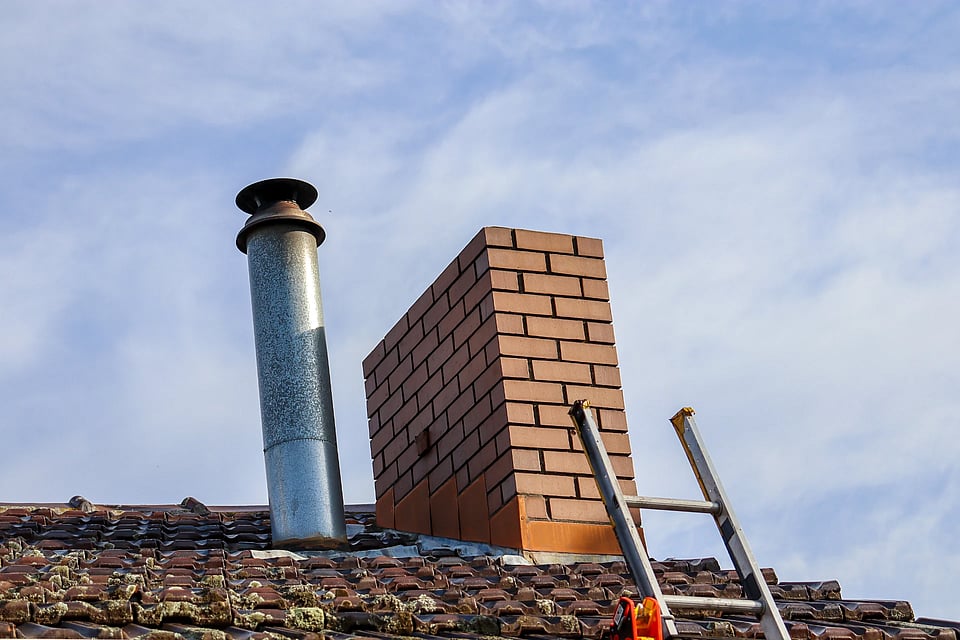
Maintaining your chimney flashing starts with regular inspections, ideally at least once a year and after any major storm. Look for signs of rust, cracks, gaps, or lifting edges where the flashing meets the chimney or roof surface.
One of the most common issues is deteriorating sealant - over time, caulk and roofing cement can dry out, crack, and pull away, allowing water to seep underneath. Re-sealing these areas with a high-quality, waterproof roofing sealant is a simple but effective way to extend the life of your flashing. If you notice small holes or minor rust spots on metal flashing, these can often be patched with roofing cement or a compatible metal patch kit.
Keeping your gutters clean is also important, as clogged gutters can cause water to back up and pool around the base of the chimney, accelerating wear on the flashing. In addition, trimming overhanging tree branches reduces debris buildup and minimizes moisture retention around the chimney.
For flat or step flashing that has begun to pull away from the mortar joints, a professional can re-tuck and reseal the embedded edges using fresh mortar or specialized flashing tape.
In many cases, chimney flashing can be repaired rather than fully replaced, and a professional inspection is the best way to determine which approach is right for your situation. Minor gaps, small cracks, or sections of failed sealant can often be addressed with a high-quality roofing caulk or elastomeric flashing sealant, which bonds well to both metal and masonry surfaces. Re-caulking is a relatively quick and affordable fix that, when done correctly, can extend the life of your flashing by several years.
However, there are situations where repair is only a temporary solution. If the flashing metal itself is corroded through, warped, or pulling away from the chimney base, patching over the damage won't address the underlying structural issues.
Similarly, if the original installation was done incorrectly, repairs may not hold long-term. In these cases, a full replacement is the more cost-effective and reliable choice over time. A qualified chimney or roofing professional can assess the extent of the damage and recommend whether spot repairs, partial replacement, or a complete re-flashing is the most appropriate course of action.
Chimney flashing failure can result from a wide variety of causes, and understanding them can help homeowners stay ahead of costly water damage.
• One of the most common culprits is simply age - over time, the sealant used to bond the flashing to the chimney and roof surface breaks down due to prolonged exposure to UV rays, heat, and moisture.
• Freeze-thaw cycles are particularly damaging in colder climates; as water gets into small gaps and freezes, it expands and widens those gaps, gradually separating the flashing from the masonry.
• Poor or improper installation is another leading cause, where flashing may not have been embedded deeply enough into the mortar joints, or the overlap between pieces was insufficient to prevent water intrusion.
• Corrosion is a significant factor for steel and aluminum flashings, especially in coastal or high-humidity environments where salt air accelerates oxidation.
• Thermal expansion and contraction - the natural movement of metal in response to temperature changes - can also cause nails and fasteners to loosen over time.
• Storm damage from high winds, falling branches, or heavy ice buildup can physically dislodge or bend the flashing.
• The natural settling and shifting of a home's structure over the years can create separation between the chimney and the surrounding roofline, breaking the watertight seal that flashing is designed to maintain.
Yes, absolutely - and this is one of the most important things homeowners should understand about chimney flashing. The flashing can appear perfectly intact from a ground-level visual inspection, while still allowing a significant amount of water to enter the home. Hairline cracks in the sealant, micro-gaps where the metal meets the masonry, or pinhole corrosion spots may be virtually invisible to the untrained eye, yet they can allow water to seep through over time.
Because water follows the path of least resistance, it can travel along roof decking, rafters, or wall cavities before finally appearing as a stain on an interior ceiling or wall - sometimes several feet away from the actual source of the leak. This makes it easy for homeowners to misidentify the problem, assuming the roof itself is leaking when the real issue lies with the flashing.
In some cases, it can take months or even years for interior water damage to become noticeable, by which point significant structural or mold-related damage may already have occurred. That's why routine professional chimney inspections are so valuable and important to schedule annually.
We prioritize safety on every job, and we continuously invest in training and education to stay on top of industry standards.
We hold memberships and affiliations with the NCSG, NY State Chimney Sweep Guild, NFPA, and BBB.
Chimney sweeping, masonry repairs, gutter cleaning, dryer vent care - we handle it all so you don't have to coordinate multiple contractors.
Camera inspections are only offered when actually needed, and we'll never push services that you don't actually need.
We're not a franchise - just a local team that treats your home like their own and answers the phone 24/7.

I had a major issue with water coming in through stone chimney. Alpine Chimney just finished repointing the full chimney, fixing the crown, and adding a damper. They were on time, respectful, and worked very hard for two days. Chimney looks great, expecting it to hold up well the next time it rains hard!
Jef Benbanaste
GoogleI was getting water in my basement during heavy rain. Alpine Chimney Sweeps came to seal my chimney. They were polite and professional. They knew exactly what the problem was. Pricing is competitive with local chimney companies.
Matthew L
GoogleThey were incredibly courteous and ensured they cleaned up any mess afterward. Not only did they do a thorough job, but they also conducted a roof inspection and alerted me to some moss that needed attention on the masonry. They took care of everything seamlessly.
Matt Oates
GoogleWe have been using Alpine for over three years and have always been extremely happy with the services - cleaning, repair, and general information on how to use our fireplace better. Alpine Chimney Sweeps have always been great, clean and efficient!
Robert Saxer
GoogleWe serve homeowners and businesses across Westchester, Putnam, and Suffolk Counties.
A tiny bit of creosote buildup is all it takes to spark a chimney fire — here's why regular cleaning matters.
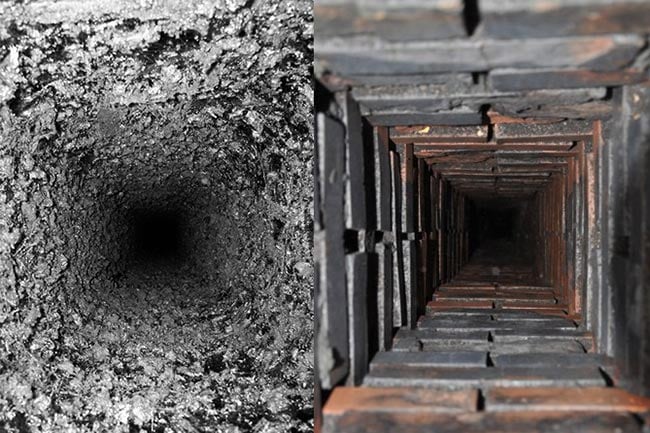
If you're smelling something smoky in your home, your fireplace is likely the culprit — learn the common causes.
Faulty flashing between your roof and chimney is the leading cause of leaks — here's how to keep water out.
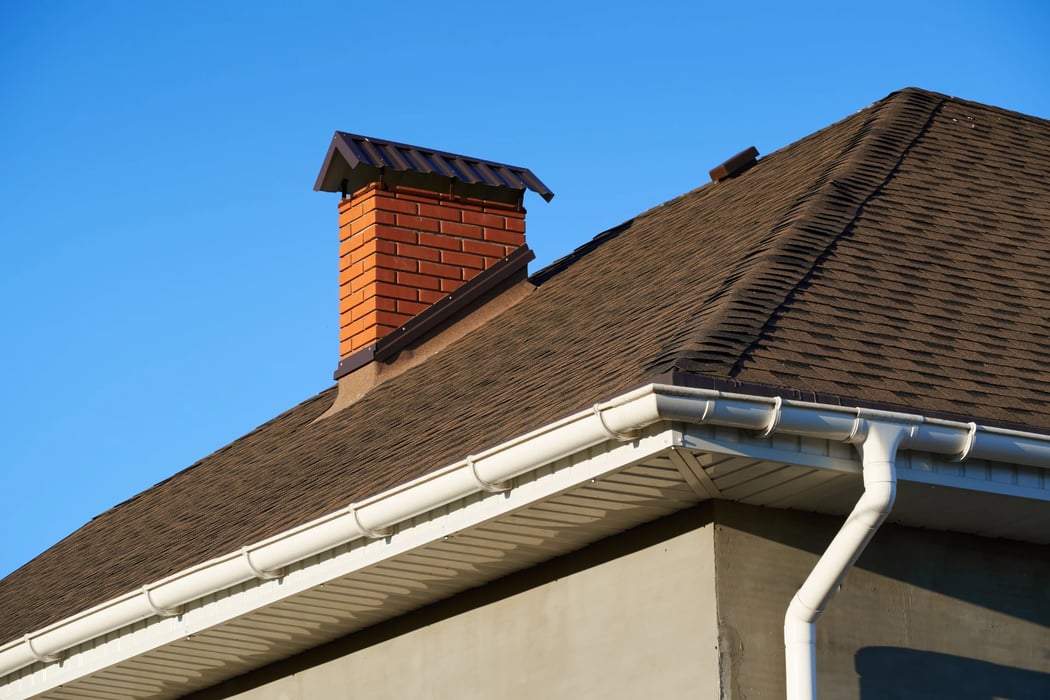

At Alpine Chimney Sweeps, we've been protecting chimneys from water damage for decades. We're family-owned, fully licensed and insured, and committed to honest, straightforward service. When we tell you something needs to be fixed, it needs to be fixed. When it doesn't, we'll tell you that too.
When you pair properly installed flashing with a well built chimney crown, you won't have to stress about leak-related damage.