
Home > Services > Chimney Leak Repair
A leaky chimney is more than just an inconvenience or a frustration - it can quickly deteriorate your chimney and cause damage to other parts of your home. Unfortunately, leaks aren’t always obvious, and many homeowners don’t know what warning signs to look for. At Alpine Chimney Sweeps, we regularly inspect chimney systems, checking for leaks and water damage in Yonkers, White Plains, New Rochelle, Yorktown, Mt. Sinai, and more.
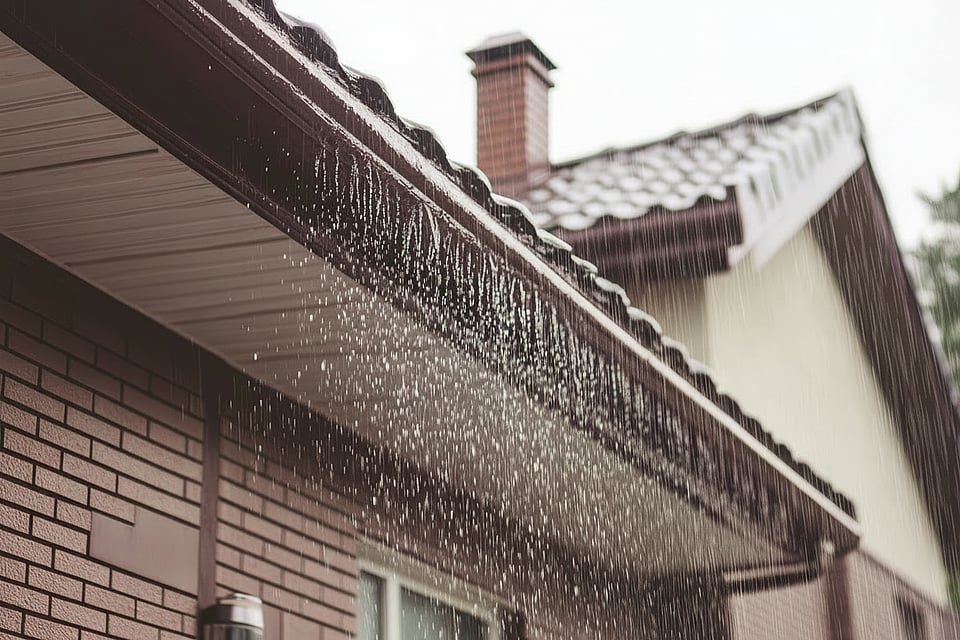
When water finds its way into your chimney, it can damage everything from the flue to your interior walls. At Alpine Chimney Sweeps, we take a complete approach to chimney leak repair, pinpointing the true source of the intrusion and fixing it at the root. From flashing and crowns to masonry and caps, our team restores your chimney's defenses and helps keep moisture out for good.
The most effective way to prevent chimney leaks is to stay ahead of them. We combine routine inspections, proactive repairs, and protective waterproofing to keep moisture out before it ever has a chance to cause damage. Here's how we help homeowners keep their chimneys dry and better protected year round:
Schedule Annual Inspections
Routine professional inspections catch small cracks, gaps, and wear before they turn into active leaks.
Install a Quality Chimney Cap
A properly fitted cap keeps rain, snow, and debris from entering the flue directly.
Maintain Flashing & Seals
Sealing and repairing the flashing where the chimney meets the roof stops one of the most common leak points.
Repair Crowns & Masonry Promptly
Fixing cracked crowns and deteriorating mortar joints prevents water from seeping into the structure.
Apply Waterproofing
A breathable, water-repellent treatment protects porous brick and masonry from moisture absorption.
Address Issues Early
Tackling minor damage right away keeps small problems from becoming costly structural repairs.
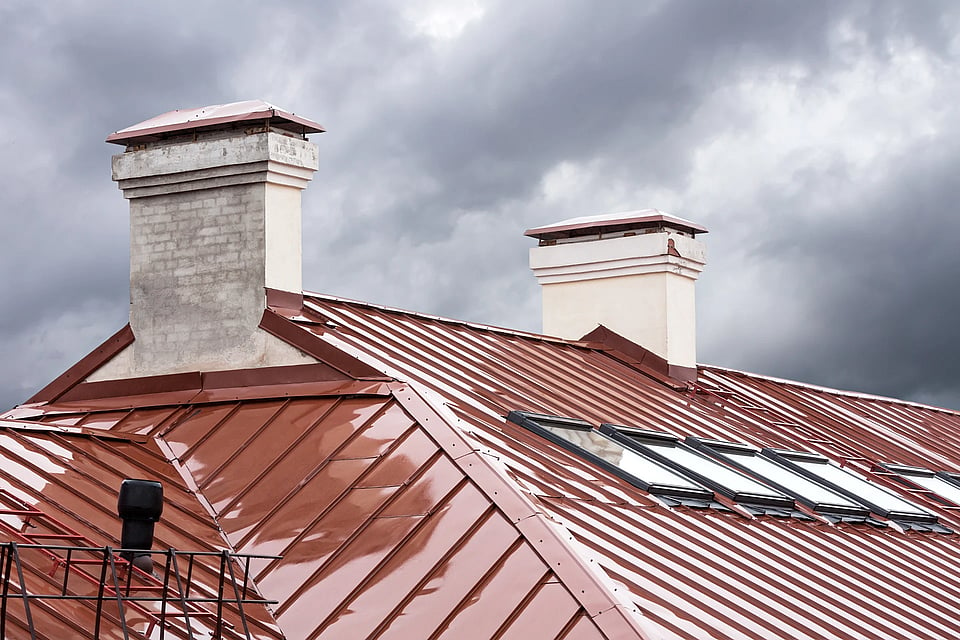
Most chimney leaks stem from a handful of well-known culprits, and understanding each one can help you recognize warning signs early.
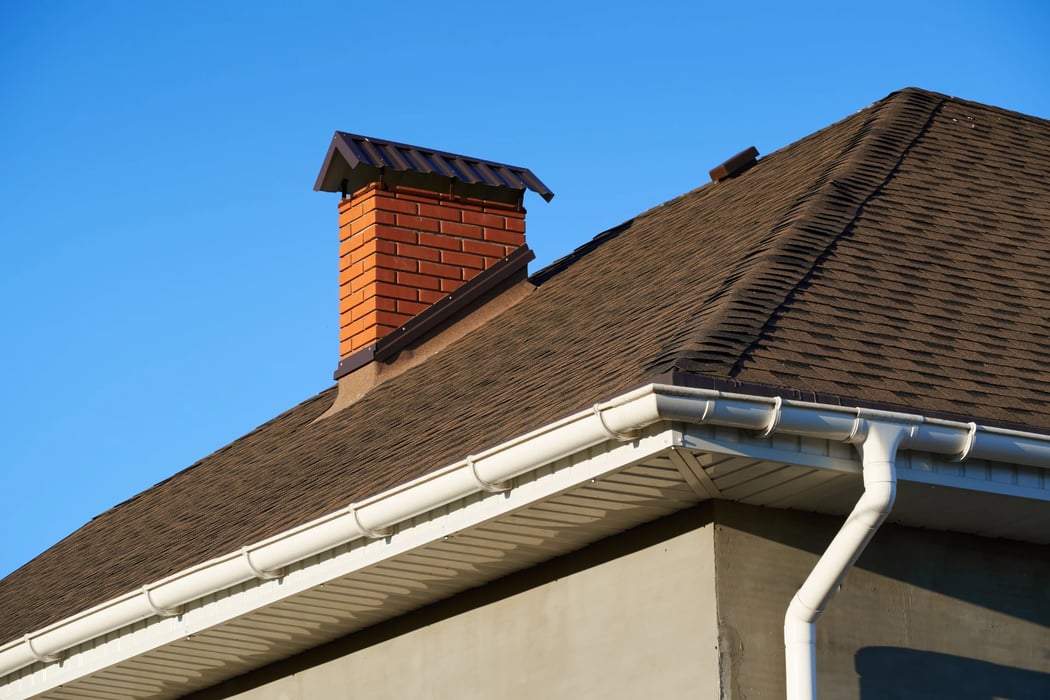
• Damaged or improperly installed flashing (the metal strips that seal the joint where the chimney meets the roofline) is one of the leading causes of water intrusion, especially as homes settle or after severe weather.
• A cracked or deteriorated chimney crown, the concrete or mortar cap that covers the top of the chimney structure, can allow water to seep directly into the masonry below.
• Deteriorated mortar joints between bricks are another frequent entry point, as freeze-thaw cycles gradually break down mortar over time.
• A missing, damaged, or improperly sized chimney cap leaves the flue completely exposed to rain, snow, and even animals.
• Porous or spalling brick (brick that has become saturated and begun to flake) absorbs moisture like a sponge and can allow water to migrate inward even without an obvious crack.
Because multiple issues can exist simultaneously, a thorough professional inspection is the most reliable way to identify every source of infiltration and ensure the correct repairs are made from the start.
Chimney leaks don't always announce themselves with an obvious drip - many develop gradually and show up as subtle symptoms throughout the home.
• Water stains or discoloration on ceilings and walls adjacent to the chimney are among the most visible indicators, often appearing as yellowish-brown rings or streaks.
• A persistent musty or damp odor, particularly after rainfall, suggests moisture has been accumulating inside the chimney structure or in surrounding building materials.
• White staining on the exterior masonry, known as efflorescence, occurs when water dissolves salts inside the brick and deposits them on the surface as it evaporates - a clear sign that water is moving through the masonry.
• Crumbling mortar joints or spalling (flaking) brick indicate that freeze-thaw cycles have been driving moisture into the masonry repeatedly over time. Inside the firebox, rust on the damper, firebox panels, or metal components signals prolonged exposure to moisture.
• Pooling water in the firebox after a rainstorm is perhaps the most unmistakable sign of all.
Absolutely - and the scope of that damage can be far greater than most homeowners expect. When water enters through a chimney, it doesn't stay contained to one spot. It follows the path of least resistance, migrating into surrounding framing, insulation, drywall, and even floor structures depending on where the chimney is located.
Over time, persistent moisture causes wood framing to rot, weakening the structural integrity of the walls and ceiling around the chimney. Drywall absorbs water and begins to stain, bubble, or crumble. Insulation becomes saturated and loses its effectiveness, leading to higher energy costs on top of repair bills. Perhaps most concerning is mold: a chronically damp environment is ideal for mold growth, and once mold establishes itself inside walls or attic spaces, remediation can be both expensive and disruptive.
A small, relatively inexpensive repair (e.g. a new cap, repointed mortar, or flashing installation) can prevent thousands of dollars in interior water damage, structural repairs, and mold remediation if caught early.
A musty or foul odor from the fireplace during or after rainfall is one of the most common complaints we hear, and it almost always points to moisture entering the chimney system. When water seeps in through a damaged or missing chimney cap, cracked crown, deteriorated flashing, or porous masonry, it comes into contact with the creosote, soot, and ash deposits that naturally accumulate inside the flue over time. This combination of moisture and organic residue produces a strong, unpleasant smell that can easily travel from the firebox into your living space.
High humidity and warm summer temperatures can intensify the effect, making fireplaces that have never been problematic in winter suddenly very smelly during rainy seasons. Addressing the odor requires a two-pronged approach:
1. Eliminate the moisture entry points by installing or replacing the chimney cap, repairing the crown, and sealing any flashing or masonry issues
2. Have the chimney professionally cleaned to remove the creosote and soot deposits that are reacting with the moisture.
If the damper seal is worn, upgrading to a top-mount damper can also help prevent both moisture intrusion and downdrafts that carry odors into the home.
A certified chimney professional is usually your best first call. Chimney leaks are deceptively complex because water can enter from multiple points and travel significant distances before showing up as a visible stain or drip. Because of this, correctly diagnosing the source requires specialized knowledge of the entire chimney system - from the cap and crown at the top, through the flashing at the roofline, down through the mortar joints and masonry, to the firebox and damper at the bottom.
While a skilled roofer can certainly handle flashing repairs and is a good partner when the roofline itself is involved, they may not be equipped to evaluate the condition of the chimney crown, mortar joints, liner, or masonry waterproofing. Our certified technicians take a comprehensive approach - we inspect the full chimney system, identify every contributing factor, and develop a repair plan that addresses the root cause rather than just the most obvious symptom.
Whether homeowner's insurance covers a chimney leak depends heavily on the cause of the damage and the specific language in your policy. As a general rule, most standard homeowner's policies cover sudden and accidental damage. For example, if a severe storm dislodges flashing or a fallen tree branch damages the chimney cap, causing water to enter, that type of event-driven damage is typically covered.
However, gradual leaks resulting from deferred maintenance, normal wear and tear, or slow deterioration of the masonry, crown, or mortar joints are usually excluded, because insurers consider that type of damage preventable through routine upkeep.
This distinction matters a great deal: if an adjuster determines that your chimney leak developed over months or years due to a lack of maintenance, your claim may be denied, even if the resulting interior water damage is substantial. The best way to protect yourself is to schedule annual chimney inspections and keep detailed records of all service visits, repairs, and any inspection reports.
A chimney cricket - sometimes called a chimney saddle - is a small, peaked roofing structure installed on the uphill side of the chimney, between the back of the chimney and the roof slope. Its purpose is to divert rainwater, melting snow, and ice away from the base of the chimney rather than allowing it to pool against the masonry and flashing.
Current building codes in many jurisdictions actually require chimney crickets for chimneys wider than 30 inches measured perpendicular to the roof slope, precisely because the water management benefit is so significant. However, even narrower chimneys can benefit from a cricket if they are positioned on the lower portion of a steep roof, where water volume and velocity are higher.
When installed correctly, a cricket is a long-lasting, low-maintenance solution that dramatically reduces the risk of chronic back-wall leaks. If your chimney has been repeatedly repaired at the rear junction with the roof and the leaks keep returning, a cricket is almost certainly worth the investment.
We prioritize safety on every job, and we continuously invest in training and education to stay on top of industry standards.
We hold memberships and affiliations with the NCSG, NY State Chimney Sweep Guild, NFPA, and BBB.
Chimney sweeping, masonry repairs, gutter cleaning, dryer vent care - we handle it all so you don't have to coordinate multiple contractors.
Camera inspections are only offered when actually needed, and we'll never push services that you don't actually need.
We're not a franchise - just a local team that treats your home like their own and answers the phone 24/7.

I had a major issue with water coming in through stone chimney. Alpine Chimney just finished repointing the full chimney, fixing the crown, and adding a damper. They were on time, respectful, and worked very hard for two days. Chimney looks great, expecting it to hold up well the next time it rains hard!
Jef Benbanaste
GoogleI was getting water in my basement during heavy rain. Alpine Chimney Sweeps came to seal my chimney. They were polite and professional. They knew exactly what the problem was. Pricing is competitive with local chimney companies.
Matthew L
GoogleIt was pleasant working with Alpine Chimney. They are the best people for replacing chimney parts. Joe and his team changed the chase cover of my fireplace chimney and the chimney cap - both look gorgeous. The team was very communicative and helpful. I would recommend them.
Abu Naser Mizan
GoogleCalled for a chimney sweep and they came the next morning. Inspected and installed a new cap. Personable, professional, and clean. Didn't pressure me to do a bunch of extra work. I would definitely recommend.
Amy Smith Dundon
GoogleWe serve homeowners and businesses across Westchester, Putnam, and Suffolk Counties.
A tiny bit of creosote buildup is all it takes to spark a chimney fire — here's why regular cleaning matters.
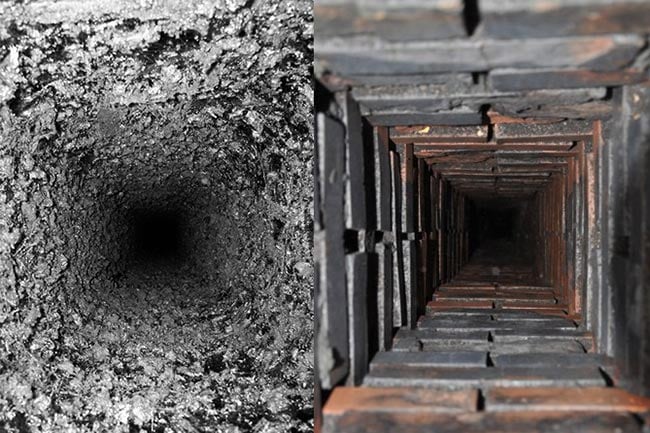
If you're smelling something smoky in your home, your fireplace is likely the culprit — learn the common causes.
Faulty flashing between your roof and chimney is the leading cause of leaks — here's how to keep water out.
Schedule your chimney leak inspection and repair today. Our certified team pinpoints the source of water intrusion and fixes it for good, so moisture and water issues become a thing of the past. We serve Westchester, Putnam, and Suffolk Counties - reach out anytime.
Our chimney services address all kinds of issues, including damaged flue liners, masonry deterioration, and more.