Home > Services > Chimney Relining
Restore the safety, efficiency, and performance of your chimney with expert flue relining services from Alpine Chimney Sweeps. Over time, wear, damage, and deterioration can compromise a liner's function. Chimney relining restores the interior flue with a durable, high-quality liner, better protecting your home, family, and appliances from dangerous gases and fire hazards.
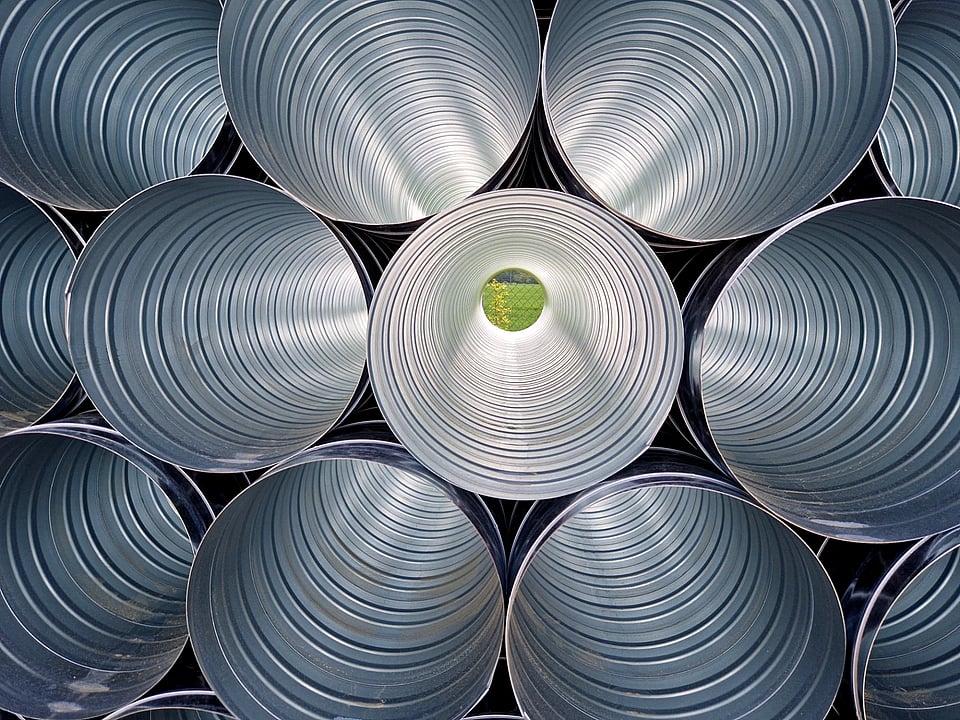
A chimney liner is the protective inner channel that safely guides smoke, heat, and combustion gases out of your home. More than just a code requirement, a properly sized and intact liner is one of the most important safeguards your chimney has. When it's missing, cracked, or deteriorated, your home and family are exposed to serious risks. It's main functions include:
In New York, a stainless steel flue liner is now required by code, even on a brand new chimney. If your chimney has no liner at all, or one that isn't stainless steel, it's time to have it relined to keep your home safer and up to code.
When else will you need to reline your chimney?
When your existing liner is water or heat damaged
When your flue needs to be resized in order to effectively vent your fireplace or stove
When your existing liner has experienced a chimney fire
When you're changing fuels and your existing liner isn't approved to vent your new fuel type
Here are three reasons we recommend stainless steel:
• Stainless steel liners last a lifetime.
• Stainless steel liners can safely and effectively vent all fuel types (gas, oil, wood, pellet).
• Stainless steel liners are available in many sizes.
Relining your chimney with a properly fitted stainless steel liner can help you save fuel, prevent fires, and protect your family against carbon monoxide poisoning - and because the liners we carry and install here at Alpine Chimney Sweeps come with a lifetime warranty, you can rest assured your investment will be well worth it.
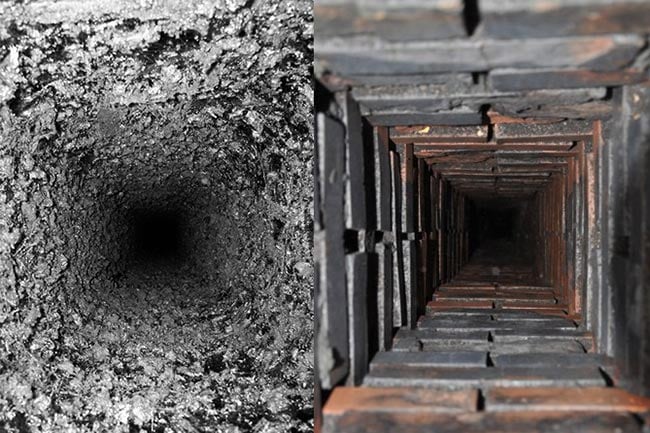
• One of the most telling signs is visible cracking, flaking, or deterioration in the flue liner itself - if you can see chunks of tile or clay falling into your firebox, this is a serious red flag that requires immediate attention.
• White staining or efflorescence on the exterior masonry is another common warning sign, indicating that moisture is penetrating through the chimney structure and dissolving the natural salts within the masonry.
• A persistent smoky odor in your home, even when the fireplace is not in use, can point to gaps or breaches in the liner that allow combustion gases to seep into your living spaces.
• If you notice smoke entering the room instead of drafting properly up and out of the chimney, a damaged or improperly sized liner may be to blame.
• Excessive creosote buildup - especially the hardened, tar-like third-degree variety - can warrant the need for a new liner.
If your chimney is older and has never been lined, or if you have recently switched fuel types (for example, converting from wood to gas), relining is strongly recommended to ensure the flue is properly matched to your appliance.
Yes, your heating appliance plays a significant role in determining which relining options are suitable for your chimney system. Different appliances produce different flue gas temperatures, moisture levels, and combustion byproducts, all of which affect what liner material can safely and effectively be used. Using the wrong liner for your appliance isn't just inefficient... It can be a serious safety hazard.
Beyond fuel type, the BTU output, venting configuration (direct vent vs. natural draft), and whether the appliance is new or a replacement all factor into the relining decision. Upsizing or downsizing the flue diameter to match the appliance's output is equally critical - an improperly sized liner leads to poor draft, incomplete combustion, and dangerous carbon monoxide buildup.
We always recommend a professional assessment of your specific appliance before selecting a relining method to ensure the system is code-compliant and functioning as safely and efficiently as possible.
Draft - the upward movement of air and gases through the chimney - depends on several interconnected factors, and the liner directly influences nearly all of them.
✓ First, liner diameter matters enormously: a liner that is correctly sized to match the output of your heating appliance ensures that gases move at the right velocity. An oversized liner allows gases to slow down and cool prematurely, which weakens draft and causes smoke and creosote to linger inside the flue. A properly sized liner keeps gases moving briskly and consistently upward.
✓ Second, the interior surface of a quality liner - whether constructed from stainless steel, cast-in-place material, or vitreous clay - is far smoother than bare masonry, which significantly reduces turbulence and resistance as gases travel upward. Less friction means stronger, more consistent draft.
✓ Third, a liner dramatically improves thermal performance: it retains heat within the flue column, and since warm air rises, a hotter flue naturally produces stronger updraft. Without a liner, heat dissipates into surrounding masonry, the flue cools quickly, and draft becomes sluggish, especially during startup.
✓ Fourth, a liner creates a dedicated, sealed airflow channel that prevents pressure imbalances caused by air leaking through cracks or gaps in the masonry. These leaks can introduce cold air that disrupts the thermal column and causes backdrafting, where smoke spills into the living space rather than exhausting outside.
We prioritize safety on every job, and we continuously invest in training and education to stay on top of industry standards.
We hold memberships and affiliations with the NCSG, NY State Chimney Sweep Guild, NFPA, and BBB.
Chimney sweeping, masonry repairs, gutter cleaning, dryer vent care - we handle it all so you don't have to coordinate multiple contractors.
Camera inspections are only offered when actually needed, and we'll never push services that you don't actually need.
We're not a franchise - just a local team that treats your home like their own and answers the phone 24/7.

Alpine Chimney Sweeps was very professional and extremely efficient. Came when they said they were and not only fixed our issues, but basically saved our lives. Our chimney liner was rotted and falling apart. The CO was slowly leaking into our house. Thanks to Joe and his team for being so honest and helpful.
Frank Vitale
GoogleVery personable and knowledgable. After performing the initial cleaning and inspection, they found that the original liner was collapsing and actually showed me the damage and what it looked like. They were able to put a new liner in on the spot.
Matthew Messina
GoogleAlpine Chimney Sweeps did an amazing job cleaning my chimney and installing a new liner. They were prompt, professional, friendly, explained everything fully, and completed the work quickly at a very fair price. They went above and beyond my expectations, and I highly recommend calling them.
Putnam Process Servers
GoogleThey were very professional and clean when cleaning out both chimneys and provided a fair price and fast installation when an inspection found I needed a new flue liner. I appreciate the work they put in, how quickly and efficiently they completed the job, and the attention to detail.
Mark Eimer
GoogleWe serve homeowners and businesses across Westchester, Putnam, and Suffolk Counties.
A tiny bit of creosote buildup is all it takes to spark a chimney fire — here's why regular cleaning matters.
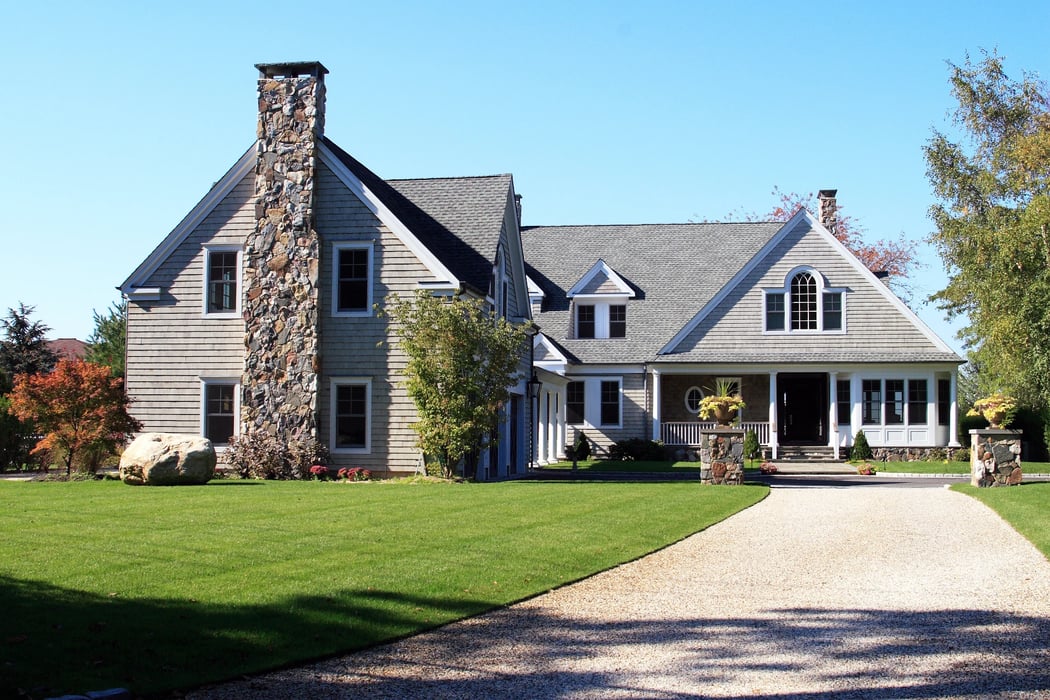
If you're smelling something smoky in your home, your fireplace is likely the culprit — learn the common causes.
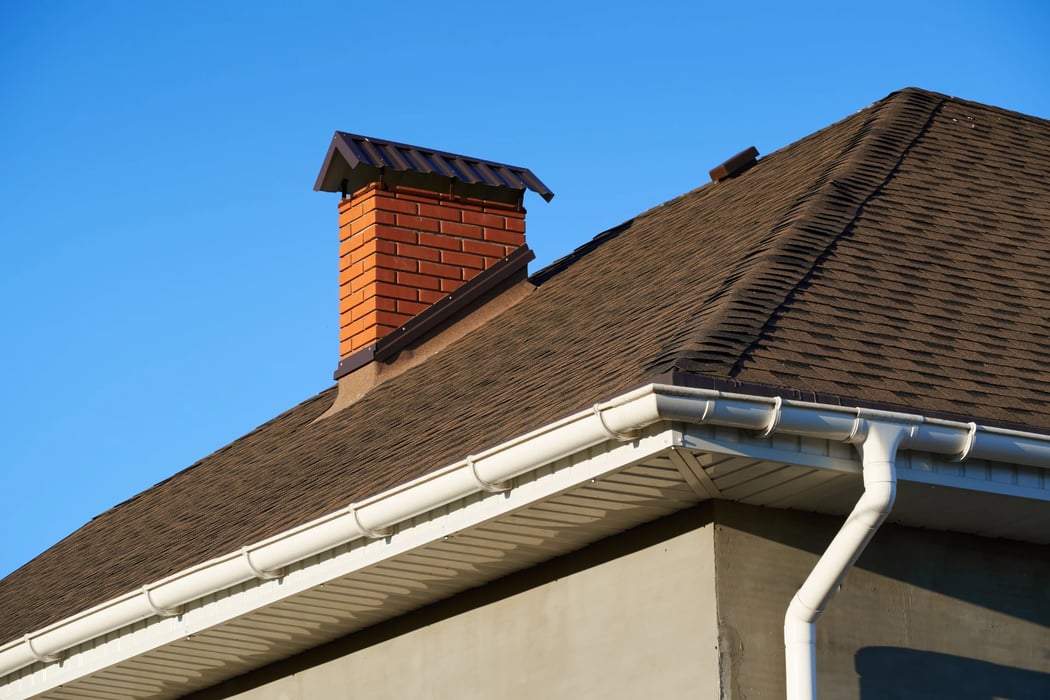
Faulty flashing between your roof and chimney is the leading cause of leaks — here's how to keep water out.

Schedule your chimney relining or flue inspection today. Our certified team installs durable, code-compliant stainless steel liners to keep your home safer and fireplace running more efficiently. We serve Westchester, Putnam, and Suffolk Counties 7 days a week.
Are leaks and water damage affecting your chimney's performance? You'll find what you need in our long list of services.