
Home > Services > Fireplace Damper Installation
Top-sealing dampers are installed up at the top of the chimney flue, creating an airtight seal that blocks cold drafts, protects your chimney from water damage, and locks heated or conditioned air into your home. Let us upgrade your damper today - we serve Yonkers, White Plains, New Rochelle, Yorktown, Mt. Sinai, and more.
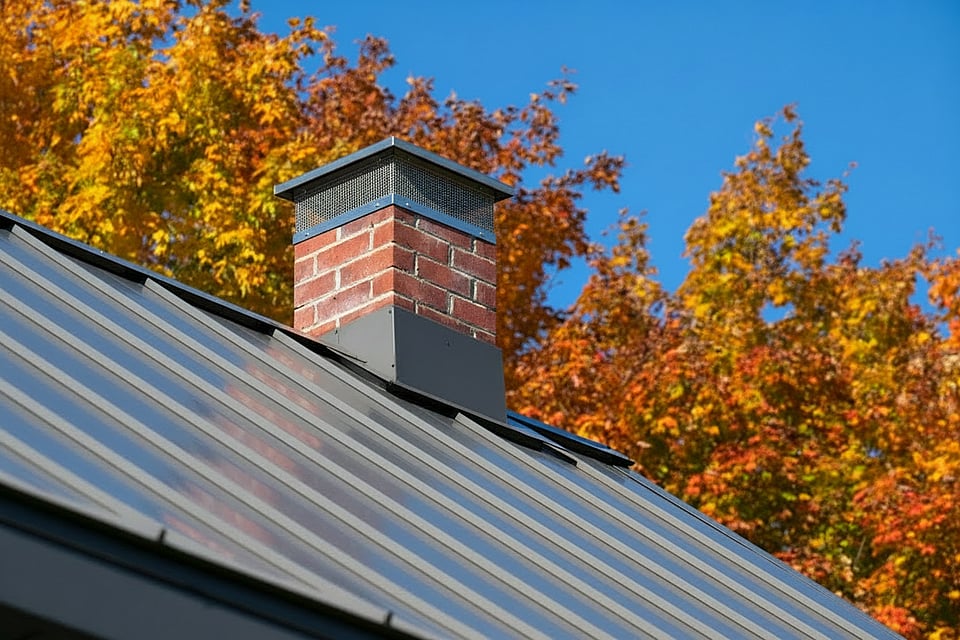
A top-sealing damper is a high-performance upgrade that mounts at the very top of your chimney, sealing it with an airtight gasket when the fireplace isn't in use. Unlike a traditional throat damper buried inside the flue, it forms a tight seal at the top – stopping conditioned air from escaping and keeping cold drafts, moisture, and outside air from sneaking into your home. It's one of the simplest ways to make an unused fireplace stop costing you money.
Older throat dampers that no longer seal properly due to warping, rust, or deterioration can quietly drain energy and comfort from your home. A top-sealing damper tackles the most common problems caused by a broken or failing damper – here's what it puts an end to:
A throat damper sits down inside the firebox at the base of the flue (typically just above the smoke shelf) and uses a cast iron or steel plate that swings or slides open and closed via a handle or poker.
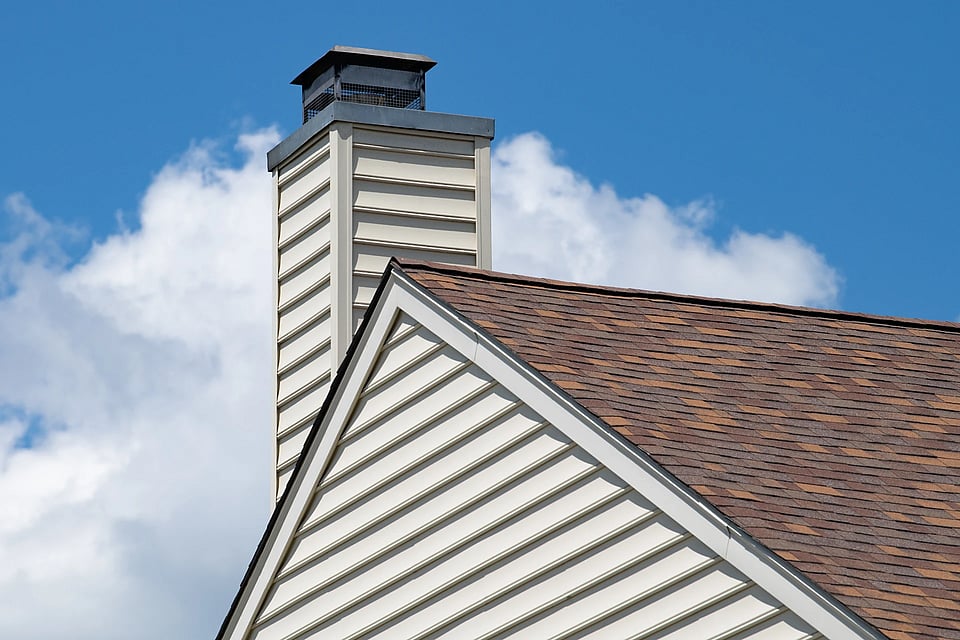
A top-mount (or top-sealing) damper, by contrast, installs at the very crown of the chimney and seals the entire flue opening from above using a durable, airtight rubber or silicone gasket - much like the lid on a high-quality cooler. Because it closes off the flue at the highest point, it eliminates the entire column of cold air that would otherwise sit inside the chimney and radiate into your living space.
Top dampers also doubles as a chimney cap, physically blocking rain, snow, birds, squirrels, raccoons, and debris from ever entering the flue in the first place. They're controlled by a stainless steel cable that runs down the flue and attaches to a bracket inside the firebox, making it easy to open before lighting a fire and close tightly once the fireplace has fully cooled.
Throat dampers are inherently disadvantaged by their location and their construction. Positioned at the base of the flue, they are exposed to extreme temperature swings every time a fire is lit and then plunge to near-outdoor temperatures when the fireplace is cold. This constant thermal cycling causes the cast iron or steel components to expand, contract, warp, and eventually crack. Simultaneously, moisture from rain, condensation, and the combustion process accelerates rust and corrosion on all metal contact surfaces.
Even a throat damper in perfect condition has an inherent design flaw: it seals metal against metal. There is no gasket, no rubber seal, and no compression fit - just two rough metal edges pressed against each other. Industry studies have shown that a standard throat damper, even when fully "closed," allows roughly the same amount of air loss as leaving a window open several inches year-round.
As the damper deteriorates, that gap grows larger, and the handles and linkages that operate the plate often seize up entirely, leaving homeowners with a damper permanently stuck in a partially open or closed position. Replacement parts for older throat dampers can be difficult to source, making full replacement the most practical long-term solution.
Yes! While an open or poorly sealing damper creates what is essentially a wide-open hole in your home's thermal envelope, a top-mount damper seals the flue with an airtight rubber gasket when the fireplace isn't in use, eliminating that constant energy drain entirely. The entire column of air inside the chimney - which on cold days can be extremely cold and heavy, creating a persistent downdraft - is cut off from your living space.
Many homeowners report measurable reductions in monthly heating and cooling costs after installation, with the damper often paying for itself within a few seasons.
There are several telltale signs that your throat damper is failing or has already failed.
• A persistent cold draft blowing from the fireplace into your room even when the damper is in the "closed" position
• The damper handle is stiff, difficult to move, or completely unresponsive, which typically indicates rust or corrosion has seized the operating mechanism.
• There's visible rust staining on the firebox floor or dark streaks or moisture damage on the firebox walls above the smoke shelf.
• You notice an unusual musty or smoky odor coming from the fireplace even when no fire has been lit recently.
• There's debris, leaves, or even signs of animal activity inside the firebox - all signs the damper is no longer forming a proper barrier.
In some cases, homeowners can visually inspect the damper by looking up into the firebox with a flashlight - if you can see daylight around the edges of the plate when it's closed, or if the plate is visibly pitted, flaking, or misshapen, it's time for a replacement.
However, the most reliable way to assess your damper's condition is by schedule a professional chimney inspection.
We prioritize safety on every job, and we continuously invest in training and education to stay on top of industry standards.
We hold memberships and affiliations with the NCSG, NY State Chimney Sweep Guild, NFPA, and BBB.
Chimney sweeping, masonry repairs, gutter cleaning, dryer vent care - we handle it all so you don't have to coordinate multiple contractors.
Camera inspections are only offered when actually needed, and we'll never push services that you don't actually need.
We're not a franchise - just a local team that treats your home like their own and answers the phone 24/7.

Very happy with Alpine Chimney Sweeps! Showed up for the estimate when they said they would, and they did a fantastic job doing chimney sweep, inspection, and installing a top mount damper for us. Very professional team - HIGHLY RECOMMEND!!!
United Blacktop
GoogleAlpine Chimney did a chimney sweep and installed a top mount damper. They took their time and were professional and explained it thoroughly. Looking forward to referring friends for their services. Thank you!!
Kaila Castaldo
GoogleThey came today to clean my fireplace, noticed our damper was rotten and that’s why we were having so many issues with cold air. Installed a new one while they were here. Great experience, awesome service, and very polite. Will definitely be using them for all future fireplace needs!!!
Lori Carmody
GoogleThey we’re professional and made the process easy. They accommodated our work schedules by giving us the first slot of the day and even showed up early. They installed a top damper for us. I would definitely recommend this service and will use them for a future cleaning.
Carolyn Rostkowski
GoogleWe serve homeowners and businesses across Westchester, Putnam, and Suffolk Counties.
A tiny bit of creosote buildup is all it takes to spark a chimney fire — here's why regular cleaning matters.
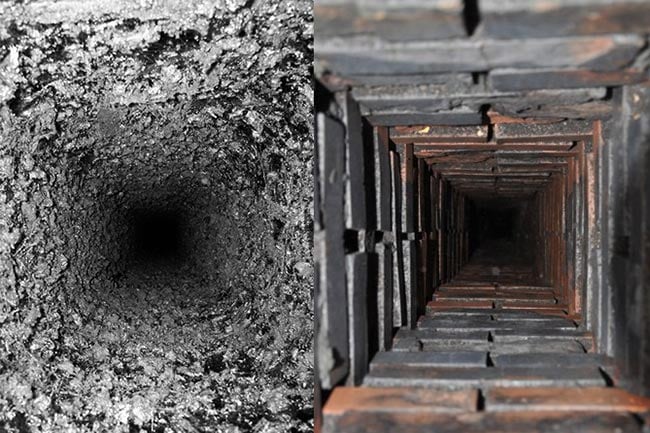
If you're smelling something smoky in your home, your fireplace is likely the culprit — learn the common causes.

Faulty flashing between your roof and chimney is the leading cause of leaks — here's how to keep water out.

Schedule your top-sealing damper installation today. We'll perform a full chimney evaluation, pinpoint where your home is losing air, and seal it tight - eliminating drafts and lowering your energy bills. Serving Westchester, Putnam, and Suffolk Counties, we'd be happy to travel to you soon.
From chimney maintenance services to more extensive repairs, we're here to help with it all.