
Home > Services > Chimney Leak Repair > Chimney Cap
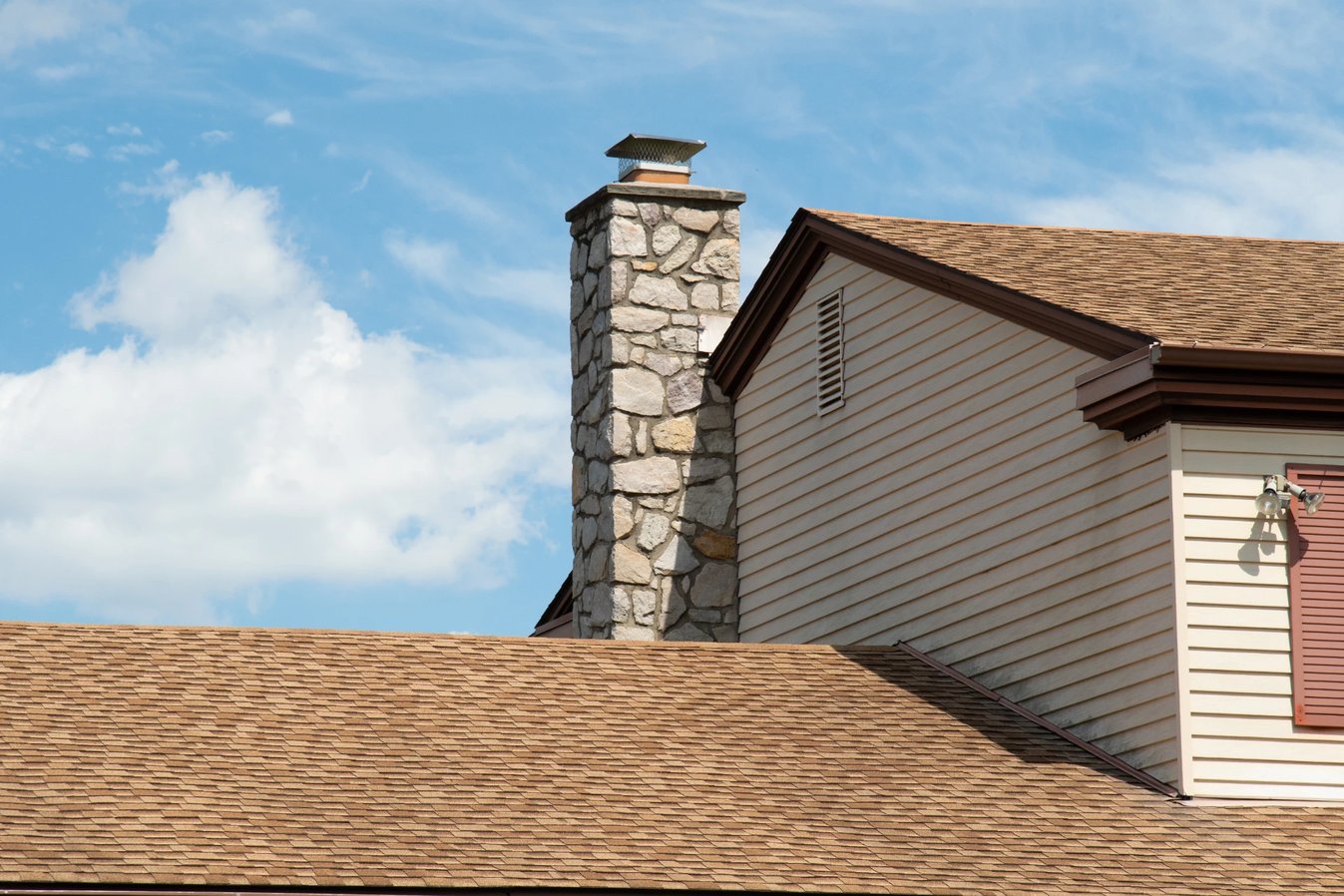
A chimney cap, also known as a rain cover or spark arrestor, is a cover that’s installed on the topmost part of your chimney. They play an essential role in protecting the flue and masonry, keeping animals out, blocking downdrafts, and ensuring water can't enter your home through the chimney. For chimney cap installations in Yonkers, White Plains, New Rochelle, Yorktown, Mt. Sinai, and beyond, reach out today.
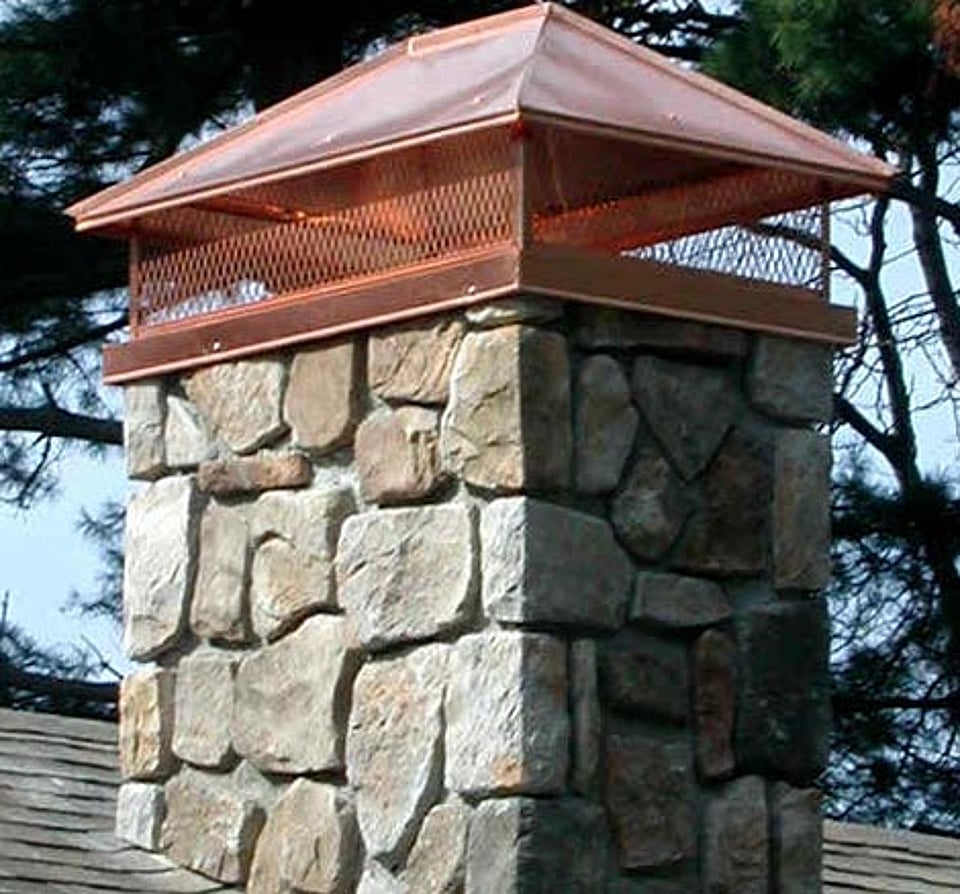
A chimney cap is a protective cover installed at the top of your chimney, and it serves multiple purposes. Acting as a barrier against the elements and unwanted intruders, a quality cap safeguards your flue, your masonry, and the comfort of your home. Here's what a properly installed chimney cap does for you:
We carry and install high-quality, durable caps built to last for every chimney and every style of home. New York homeowners can choose from a wide range of options, including copper, stainless steel, and multi-flue caps (a single cap that protects more than one flue). From decorative to discreet, we have it all.
Stainless Steel Caps
Durable, rust-resistant protection that lasts for years
Copper Caps
A premium, elegant look that ages beautifully
Multi-Flue Caps
One cap that shields multiple flues at once
Decorative & Custom Caps
Styles to complement any home's appearance
Removable Caps
Easy to take off and reinstall during routine cleanings
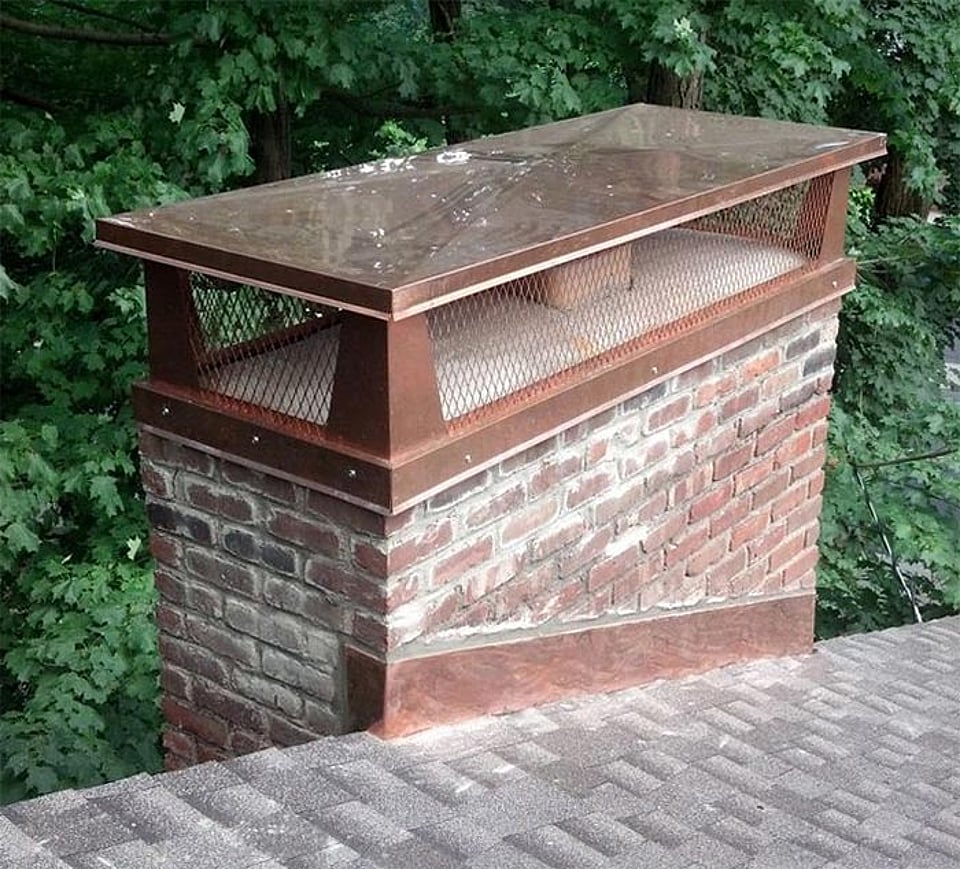
• A chimney cap is a small hood-like device that fits directly over the top of an individual flue pipe. Its primary purpose is to block rain, snow, animals, and debris from entering the flue opening while still allowing smoke and combustion gases to escape freely. Chimney caps typically include a metal mesh screen around the sides, which acts as a spark arrestor and keeps out wildlife.
• A chimney chase cover is a much larger flat or slightly sloped metal sheet that covers the entire top of a prefabricated or factory-built chimney chase - the wooden or metal enclosure that surrounds the flue pipe. Chase covers are essential for protecting the chase itself from water intrusion, which can cause wood rot, rust, and structural damage over time.
Many homes, especially those built with prefabricated fireplace systems, require both a chase cover and a chimney cap working together to provide complete, layered protection. If either component is missing or deteriorating, moisture and pests can quickly cause extensive and costly damage.
Yes, absolutely - this is one of the most important benefits of a properly installed chimney cap. Birds, such as starlings and chimney swifts, are naturally attracted to open flues as nesting sites, and once they settle in, their nests can create dangerous blockages that restrict airflow and increase the risk of carbon monoxide buildup inside your home.
Squirrels, raccoons, and even bats are also common intruders that can become trapped in a flue or find their way into your living space. A chimney cap fitted with a sturdy stainless steel or galvanized mesh screen around all four sides creates an effective physical barrier against these animals. The mesh openings are sized to block entry while still maintaining proper draft.
If you've recently had animals in your chimney, it's also important to have the flue cleaned and inspected before installing a new cap to ensure no nesting material or debris remains inside.
Absolutely. One of the primary functions of a chimney cap is to act as a protective roof over your flue opening - preventing rain, sleet, and snow from falling directly into the chimney.
When water enters an uncapped flue, it doesn't just make the fireplace damp...it can saturate the flue liner, causing tiles to crack and spall over time. The damper assembly, which is typically made of cast iron or steel, is highly susceptible to rust and corrosion when repeatedly exposed to moisture, eventually making it difficult or impossible to open and close properly.
Water that travels deeper into the chimney can also deteriorate the mortar joints between masonry bricks, leading to structural weakening that may require expensive tuckpointing or full rebuilding. In colder climates, freeze-thaw cycles accelerate this damage dramatically as water trapped in masonry expands when it freezes.
While chimney caps are available at many hardware and home improvement stores, professional installation is strongly recommended for several important reasons.
• First and foremost is safety - working on a rooftop, especially near a chimney, presents a serious fall risk without the proper equipment, training, and experience.
• Beyond the physical danger, proper sizing is critical and often more complicated than it appears. Chimney flues come in a wide variety of shapes and dimensions, and a cap that doesn't fit snugly can blow off in high winds, shift out of position, or fail to seal properly against rain. A professional technician will measure your flue accurately and select or custom-fit a cap that matches exactly.
• Installation also requires secure fastening to ensure the cap won't be displaced by storms - improperly anchored caps are one of the most common reasons homeowners find themselves needing a replacement within a year or two.
This comprehensive approach ensures you're not just getting a new cap, but a fully protected chimney system.
The lifespan of a chimney cap depends largely on the material it's made from and the climate conditions it's exposed to.
• High-quality stainless steel caps - which are the most popular professional-grade option - can realistically last 15 to 20 years or more with minimal maintenance.
• Copper chimney caps are even more durable and can last a lifetime, developing a natural patina over time that actually enhances their corrosion resistance.
• Galvanized steel caps are the most affordable option but are also the most vulnerable to rust and deterioration. In humid climates or coastal areas with salt air exposure, a galvanized cap may begin showing signs of rust and structural weakness within just 3 to 5 years.
Even well-made caps can be damaged prematurely by severe storms, fallen tree branches, or heavy ice accumulation during winter. This is why we always recommend scheduling an annual chimney inspection that includes a visual check of the cap from the rooftop.
There are several telltale signs that your chimney cap has reached the end of its useful life and should be replaced as soon as possible.
• Visible rust or heavy discoloration on the cap's body or mesh is one of the earliest warning signs - once rust takes hold, the metal weakens quickly and the structural integrity of the cap is compromised.
• Bent, torn, or missing mesh sections are another red flag, as these gaps allow animals to enter and eliminate the spark-arresting function of the screen.
• If your cap has shifted, tilted, or come completely loose from the flue, it is no longer providing any meaningful protection and must be reattached or replaced immediately.
• Water-related symptoms are also strong indicators of cap failure - if you notice musty odors, staining on the interior walls of the firebox, a rusted damper, or visible efflorescence, moisture is likely entering through a failed cap.
• Sounds of animals scratching or chirping inside the chimney are another clear sign that the barrier has been breached.
• If you can see daylight or debris falling into the firebox when the damper is open, there's a good chance the cap is missing or badly damaged.
Any one of these warning signs warrants a professional inspection - the sooner a failing cap is replaced, the less secondary damage you'll have to deal with.
We prioritize safety on every job, and we continuously invest in training and education to stay on top of industry standards.
We hold memberships and affiliations with the NCSG, NY State Chimney Sweep Guild, NFPA, and BBB.
Chimney sweeping, masonry repairs, gutter cleaning, dryer vent care - we handle it all so you don't have to coordinate multiple contractors.
Camera inspections are only offered when actually needed, and we'll never push services that you don't actually need.
We're not a franchise - just a local team that treats your home like their own and answers the phone 24/7.

They did a great job. Scheduled a few days in advance, they arrived right on time on the day. Gave us clear explanation on the options, and completed chimney sweep and triple vent cap installation in less than half an hour.
Pascal Winckel
GoogleExcellent service from start to finish! Joe was prompt, professional, and replaced our chimney cap quickly and efficiently. He explained everything clearly and left the area spotless. Highly recommend for any chimney work!
Anthony Rodriguez
GoogleAlpine Chimney Sweeps is prompt, efficient, and trustworthy. Now I can rest easy with a clean sweep, all vents covered, and a good strong cap to keep us critter-free! Phew. Thank you Alpine.
Kristin Moore-Gantz
GoogleAlpine Chimney was very helpful and efficient. Cleaned the chimney and clean out and installed the chimney cap we needed all in one go. They were also very pleasant to work with!
Sarah Courtman
GoogleWe serve homeowners and businesses across Westchester, Putnam, and Suffolk Counties.
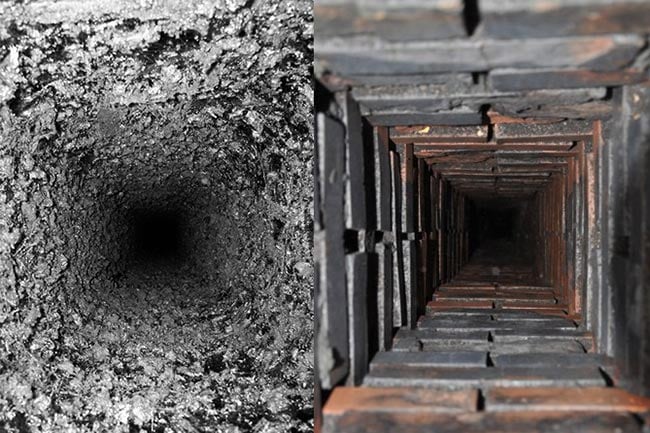
A tiny bit of creosote buildup is all it takes to spark a chimney fire — here's why regular cleaning matters.
If you're smelling something smoky in your home, your fireplace is likely the culprit — learn the common causes.
Faulty flashing between your roof and chimney is the leading cause of leaks — here's how to keep water out.
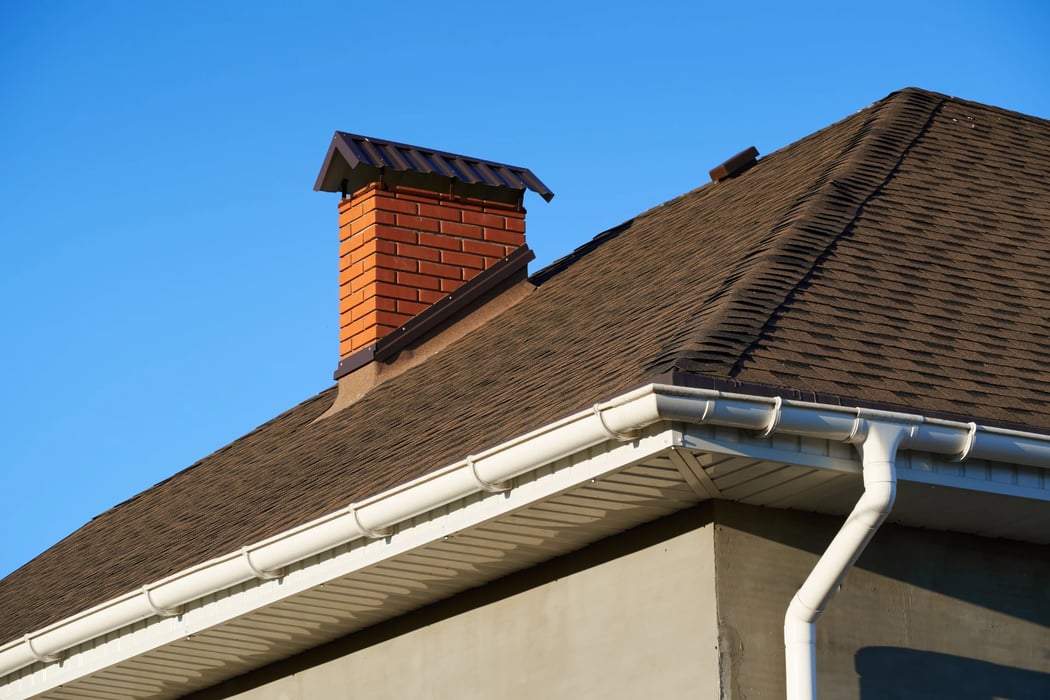

Schedule your professional chimney cap installation or replacement today. Our experienced technicians ensure a proper fit and lasting protection for homes in Westchester, Putnam, and Suffolk Counties.
Chimney caps aren't the only way to prevent chimney leaks - you'll also want proper flashing installed.